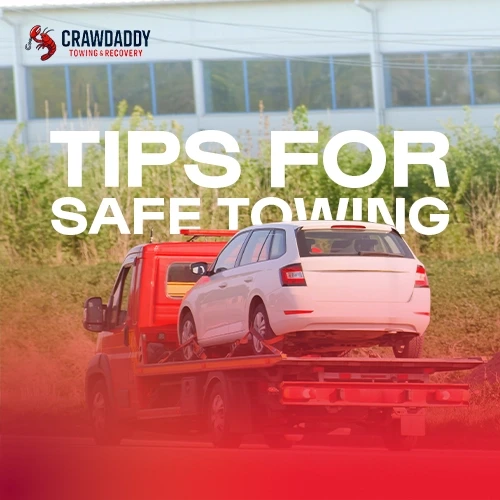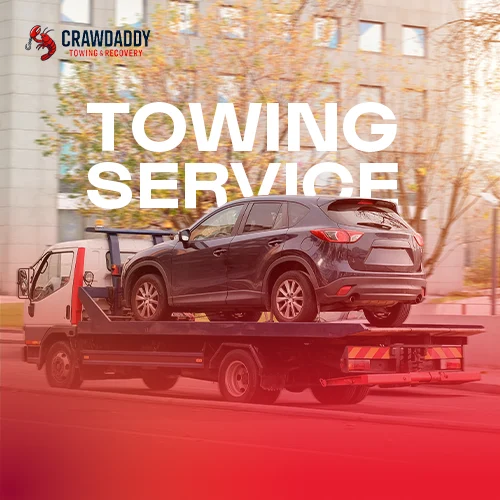

Towing involves pulling a vehicle using another vehicle, typically a tow truck. The process requires precision and an understanding of the mechanics involved. Whether it’s local towing or emergency towing, knowing the fundamentals can significantly impact the safety and efficiency of the task.
This guide covers the essentials of safe towing, including understanding towing mechanics, selecting appropriate tow vehicles, and ensuring proper training. It emphasizes thorough pre-trip inspections, correct weight distribution, conservative driving techniques, and preparedness for emergencies. Legal and insurance requirements, safety standards, and compliance are outlined, along with tips for choosing reliable professional towing services. Following these practices reduces risk, prevents damage, and keeps road users safe.
Towing isn’t just about hooking up a vehicle and driving off. It involves understanding the physics of weight distribution, braking systems, and the dynamics of both vehicles. The towing vehicle must be capable of handling the combined weight without compromising on stability or control. Additionally, drivers must be aware of how towing affects acceleration and stopping distances.
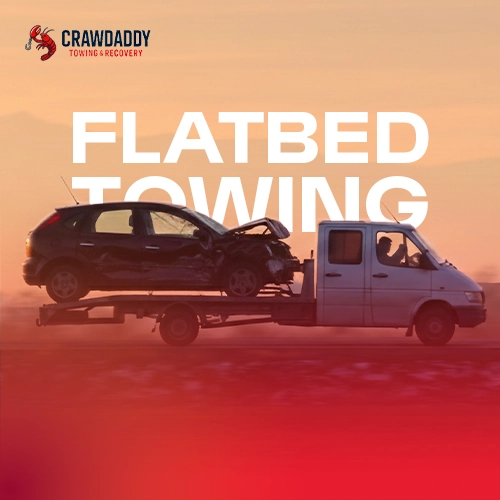
Ideal for transporting vehicles without causing wear and tear. They are versatile and can handle a wide range of vehicles. Flatbeds are particularly useful for long-distance towing as they provide a stable platform that eliminates additional wear on the towed vehicle’s tires and suspension.
Best for junk vehicles as they can cause damage. These are less commonly used today due to the potential for vehicle damage. However, they remain in use for wrecked or non-drivable vehicles where precision handling is not a primary concern.
Use a metal yoke that lifts the vehicle by the wheels, avoiding direct contact with the car body. This method is faster and more efficient for roadside assistance but requires careful alignment to avoid damage to the vehicle’s undercarriage.
Proper training ensures that tow truck operators understand the nuances of different towing methods and equipment. This includes learning how to secure vehicles correctly, recognizing potential hazards, and knowing how to respond in emergencies. Certified training programs are available and are highly recommended for anyone involved in towing operations.
Before hitting the road with a towed vehicle, it’s essential to conduct a thorough check. This ensures both your safety and that of the vehicle being towed.
The weight of the towed vehicle should be distributed evenly. This prevents swaying and ensures better control.
Conducting a final walk-around inspection can help identify potential issues before they become problems on the road. Check for any leaks, unusual noises, or visible signs of wear that could compromise the safety of the towing operation.
Towing requires a different approach to driving. Here are some tips to help you navigate safely:
Driving at high speeds while towing is dangerous. It reduces your ability to stop quickly and increases the risk of swaying.
The added weight of a towed vehicle increases stopping distances.
Towing affects the turning radius of your vehicle. Take wider turns and be mindful of the path of the towed vehicle to prevent it from hitting curbs or other obstacles. Practice makes perfect, so take time to familiarize yourself with the new handling characteristics.
Even with the best practices, emergencies can occur. Being prepared is key to handling such situations effectively.
In the event of a breakdown, having access to roadside assistance can be a lifesaver.
In case of mechanical failures, safely pull over to the side of the road and use emergency flashers to alert other drivers. Do not attempt to fix complex issues on your own unless you are trained and equipped to do so. Call for professional assistance to avoid further damage or injury.
Adhering to legal and safety regulations is non-negotiable when it comes to towing. These rules are in place to protect everyone on the road.
Some regions require specific licenses or certifications to operate tow trucks. Make sure to check local regulations and comply with them.
Adhere to safety standards set by national and local authorities. This includes using approved towing equipment, maintaining vehicles in good condition, and following industry best practices. Compliance not only ensures safety but also protects you from legal issues
Sometimes, it’s best to leave towing to the professionals, especially in complex situations.
Assess the quality of service offered by potential towing companies. This includes their response time, customer service, and the condition of their equipment. Reading customer testimonials and reviews can provide insights into their reliability and professionalism.
Some towing companies offer specialized services such as heavy-duty towing, motorcycle towing, or long-distance hauling. If you have specific needs, ensure that the company you choose is equipped and experienced in handling them.
Towing may seem straightforward, but it requires careful planning and execution to ensure safety. By following these essential tips and understanding the nuances of towing, you can make informed decisions whether towing a vehicle yourself or choosing a professional service. Always prioritize safety and adhere to regulations to ensure a smooth towing experience. Remember, the key to successful towing lies in preparation, knowledge, and the ability to adapt to changing conditions on the road.
Confirm your setup is safe and within limits. Ensure the hitch is properly secured and rated for the load, verify all lights and signals on both vehicles, and check tire pressure and tread. Make sure the total weight is within your vehicle’s towing capacity, balance the load evenly, and secure it with straps or chains. Finish with a slow walk-around to spot leaks, unusual noises, or signs of wear.
Training is highly recommended, and some regions require specific licenses or certifications for operating tow trucks. Research and follow your local rules, and stay updated through associations or official sources. Verify your insurance covers towing activities, consider additional liability coverage if you tow commercially, and review your policy regularly to keep it aligned with your risks.
Prioritize safety and professional help. For breakdowns, keep contacts for local roadside assistance (e.g., services like Crawdaddy Towing), carry an emergency kit (flares, first aid, basic tools), and maintain reliable communication tools. In an accident, stay calm, move to a safe area if possible, contact authorities, and document the scene with photos and notes. For mechanical failures, pull over safely, use hazard lights, and avoid complex repairs unless you’re trained—call a professional instead.
Match the method to the vehicle’s condition and your damage tolerance. Flatbed tow trucks are the safest and most versatile choice, especially for long distances, because the vehicle rides on a stable platform and avoids extra wear. Wheel-lift trucks are efficient for quick roadside assistance and avoid contact with the body, but they require careful alignment to prevent undercarriage damage. Hook-and-chain trucks can cause damage and are best reserved for junked or severely wrecked vehicles where precision is less critical.
Towing reduces acceleration and lengthens stopping distances, so drive more conservatively. Stick to lower speeds, avoid sudden braking or sharp turns, and take wider corners. Double your usual following distance, plan stops early, and use your mirrors constantly. If your setup includes sway control, know how it works and adjust it for conditions.